onepagecdn
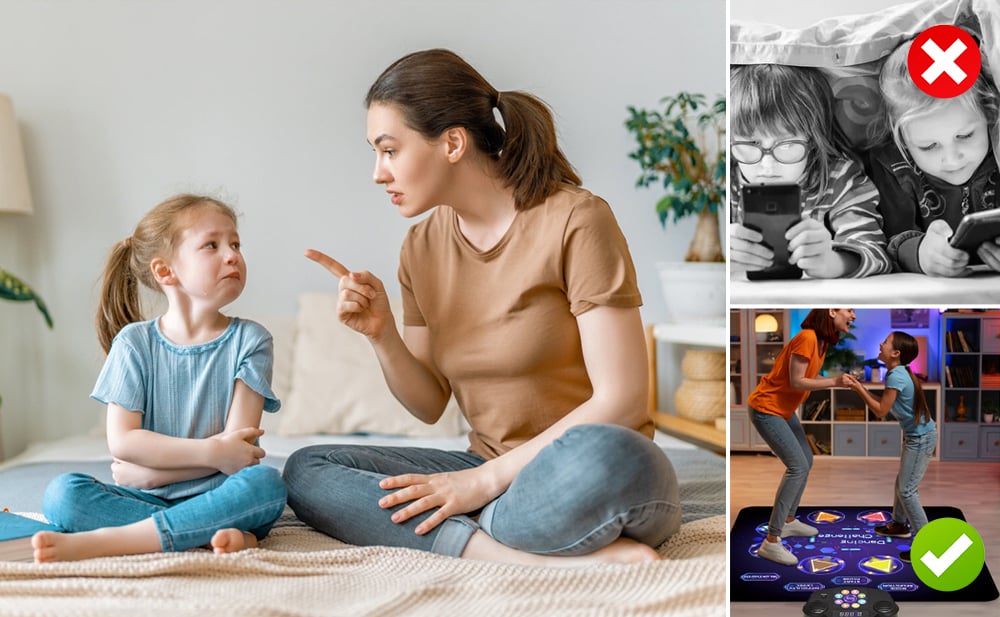
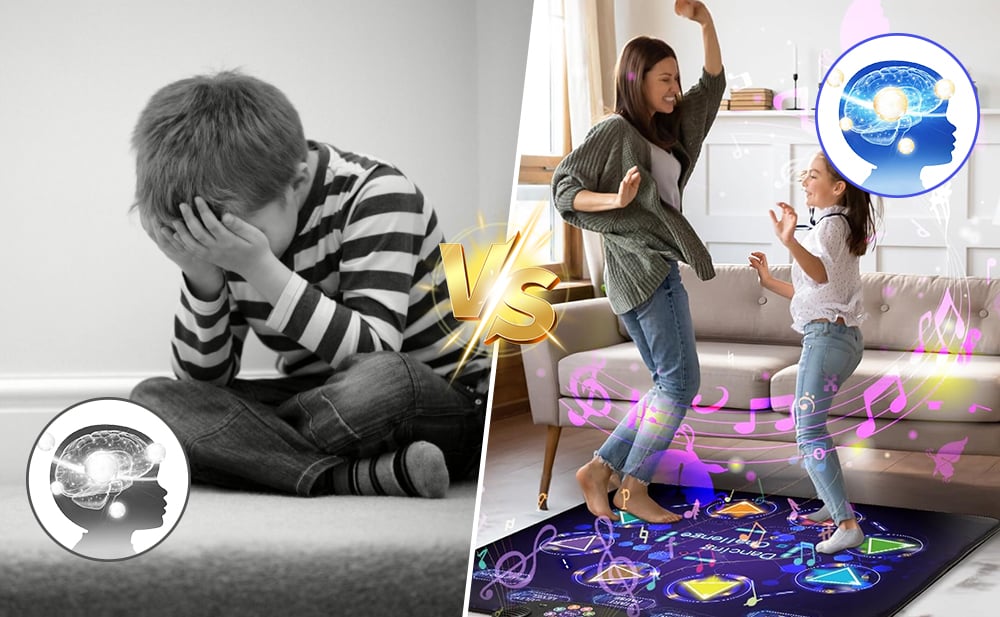
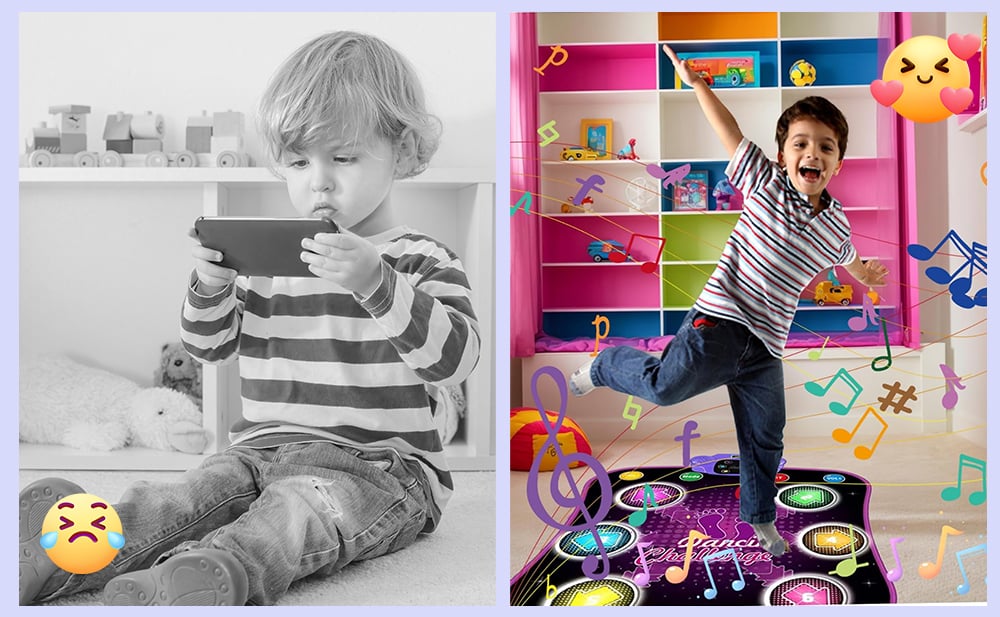
Parents Are Panicking: Is Your Child Becoming a "Screen Zombie"? Move, Dance & Learn — Bring Music-Powered Fun Home LED Lights, Bluetooth Music, Soft Cushioning & Kid-Safe Materials
Rated
(2)
$179.99$89.99

HURRY! ONLY 250 LEFT IN STOCK.

98% customer buy 3-5 items to use daily and gifts for their beloved one

People are viewing right now

Sale ending in
13 08
Size

Description

The Pediatrician's Warning That Changed Everything

At Emma's last checkup, Dr. Reynolds did something she'd never done before.

She put down her clipboard, looked me straight in the eye, and said: "Jessica, I'm seeing an epidemic in my practice. Kids as young as 5 are losing basic motor skills—balance, coordination, even the ability to skip. Their bodies are literally forgetting how to move."

She explained that the average American child now spends 7+ hours a day sedentary. And it's not just about weight gain. It's about something she called "Developmental Dormancy."

What Is "Developmental Dormancy"?

Dr. Reynolds explained it like this: When a child's body stays still for too long, their brain stops building the neural pathways needed for coordination, rhythm, and spatial awareness. Think of it like a muscle. If you don't use it, it atrophies.

Except in this case, what's atrophying is your child's ability to:

· Catch a ball

· Ride a bike

· Dance at a birthday party without tripping

· Feel confident in their own body

And the scariest part? It's happening silently

You won't notice it until your 8-year-old struggles in gym class. Or until they refuse playdates because they feel "clumsy" compared to other kids.

I left that appointment feeling sick to my stomach. Because I realized Emma wasn't just glued to a screen. She was missing critical developmental windows—and I had no idea how to fix it.

The Battle I Was Losing (And Maybe You Are Too)

I tried everything to get Emma moving.

Dance classes? She quit after two sessions. Said the teacher was "mean" (translation: it was hard, and she wasn't instantly good at it). Playground trips? She'd sit on a bench and beg to go home after 10 minutes. YouTube workout videos? She'd watch them… while sitting on the couch.

The problem wasn't laziness. It was dopamine addiction.

Screens deliver instant, high-frequency rewards (likes, levels, bright colors) with zero physical effort. Her brain had been trained to reject anything that required delayed gratification—like the satisfaction of mastering a cartwheel.

And I was running out of patience.

One rainy Saturday, after another failed attempt to get her to "just go play," I locked myself in the bathroom and cried.

I felt like a failure.

How do other parents do this? How do they raise active, coordinated, happy kids when iPads exist?

The Laundromat Discovery (Yes, Really)

This is going to sound random, but stick with me. The following week, my washing machine broke. (Because of course it did.)

I dragged three loads to the laundromat down the street, where I met a woman named Sandra. She had four kids—all of them running around, energetic, laughing. Not a tablet in sight.

I asked her secret. Was she some kind of superhuman drill sergeant?

She laughed. "Oh no, I just tricked them."

Tricked them?

"I found this thing called the Sakerplus® LED Bluetooth Dance Mat," she said. "It's basically an iPad… but you have to move to use it." She explained that her kids were obsessed with it. They'd race home from school to play. They'd argue over whose turn it was. And—here's the kicker—they were burning 200+ calories an hour without realizing it was exercise.

I was skeptical. A dance mat? In 2025? Wasn't that a 2000s thing? But Sandra pulled up a video on her phone. Her 6-year-old son, who she said "used to refuse to leave the couch," was stomping on this mat, following LED light patterns, completely locked in.

And then I heard it. The music playing wasn't some annoying, generic beep-boop track. It was "Let It Go" from Frozen.

Why This Mat Isn't Like the Cheap Ones You're Thinking Of

Here's what makes the Sakerplus® different (and why it actually works on screen-addicted kids):

1. Bluetooth Freedom = Infinite PlayabilityRemember those old dance mats with 3 pre-loaded songs that drove you insane after 10 minutes?

This isn't that.

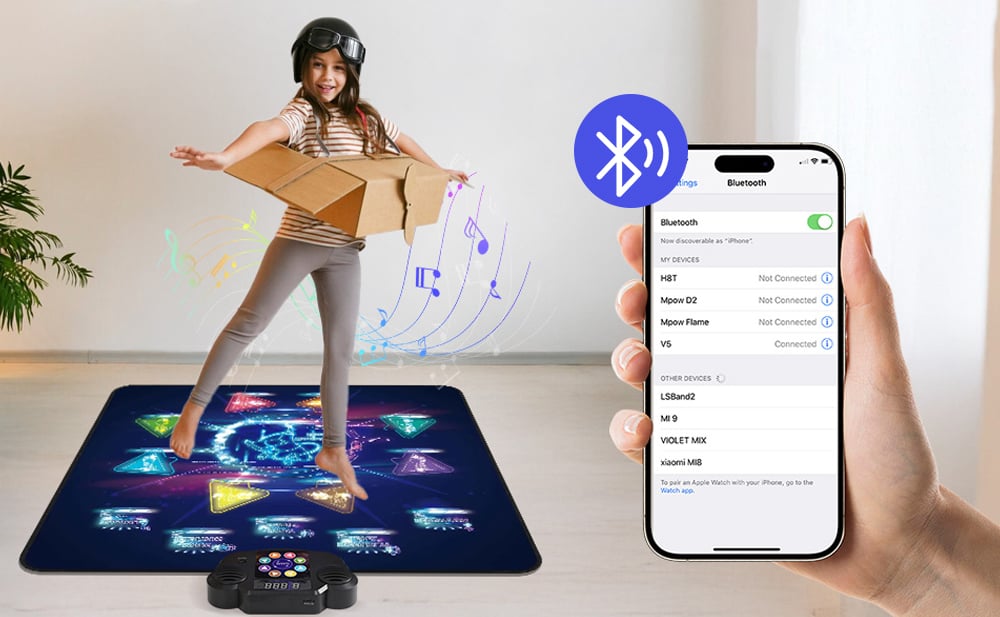
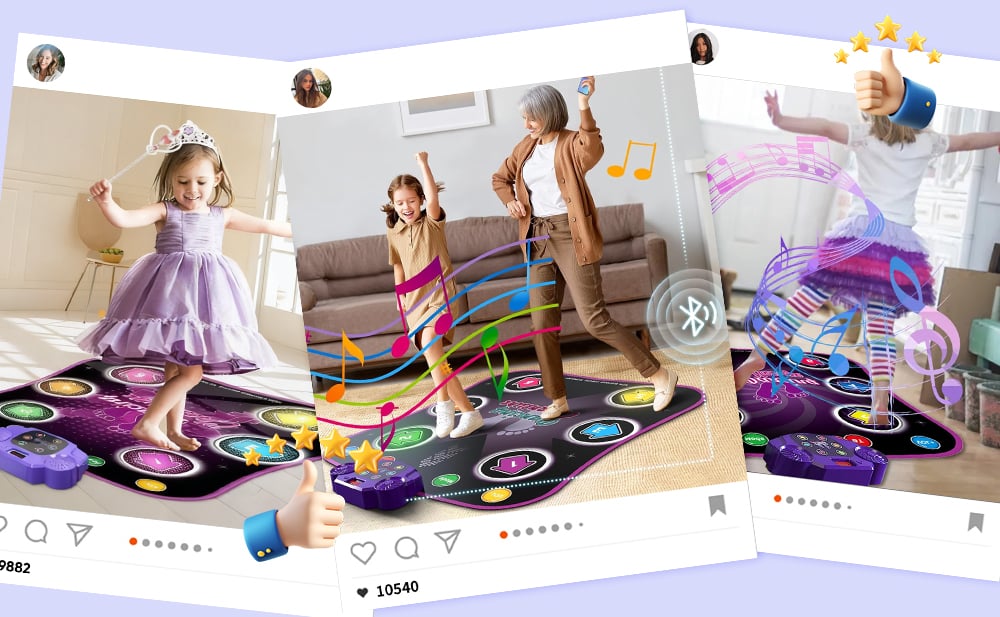
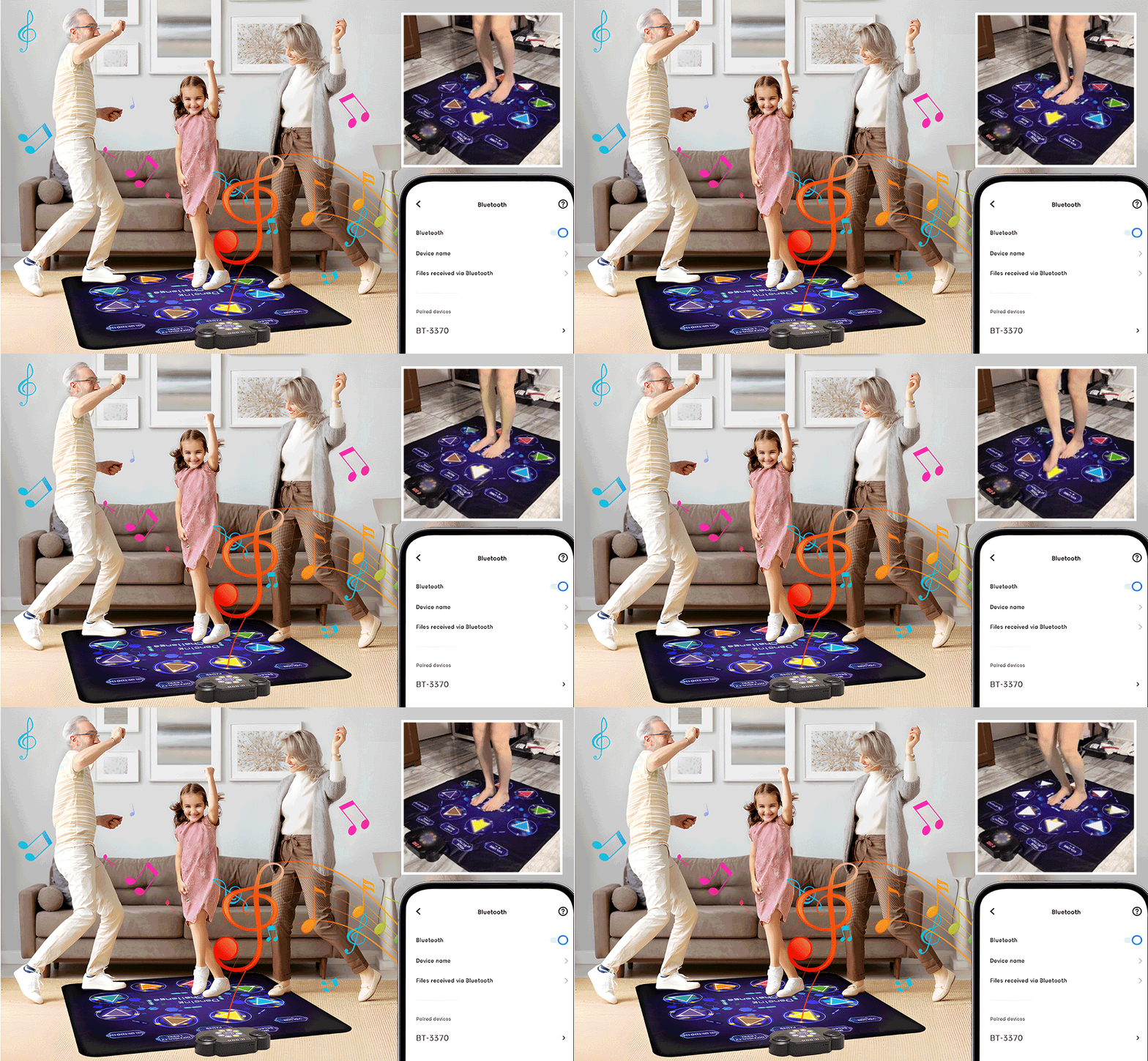
The Sakerplus® connects via Bluetooth to your phone or tablet. Which means Emma can dance to:

· Her current Olivia Rodrigo obsession

· The Encanto soundtrack (on repeat, God help me)

· Even educational songs her teacher recommended

No annoying loops. No "I'm bored of this" after two days. The mat evolves with her taste. So it doesn't end up in the donation bin like every other "active toy" I've bought.

2. LED Arcade Feedback = Screen-Level Dopamine

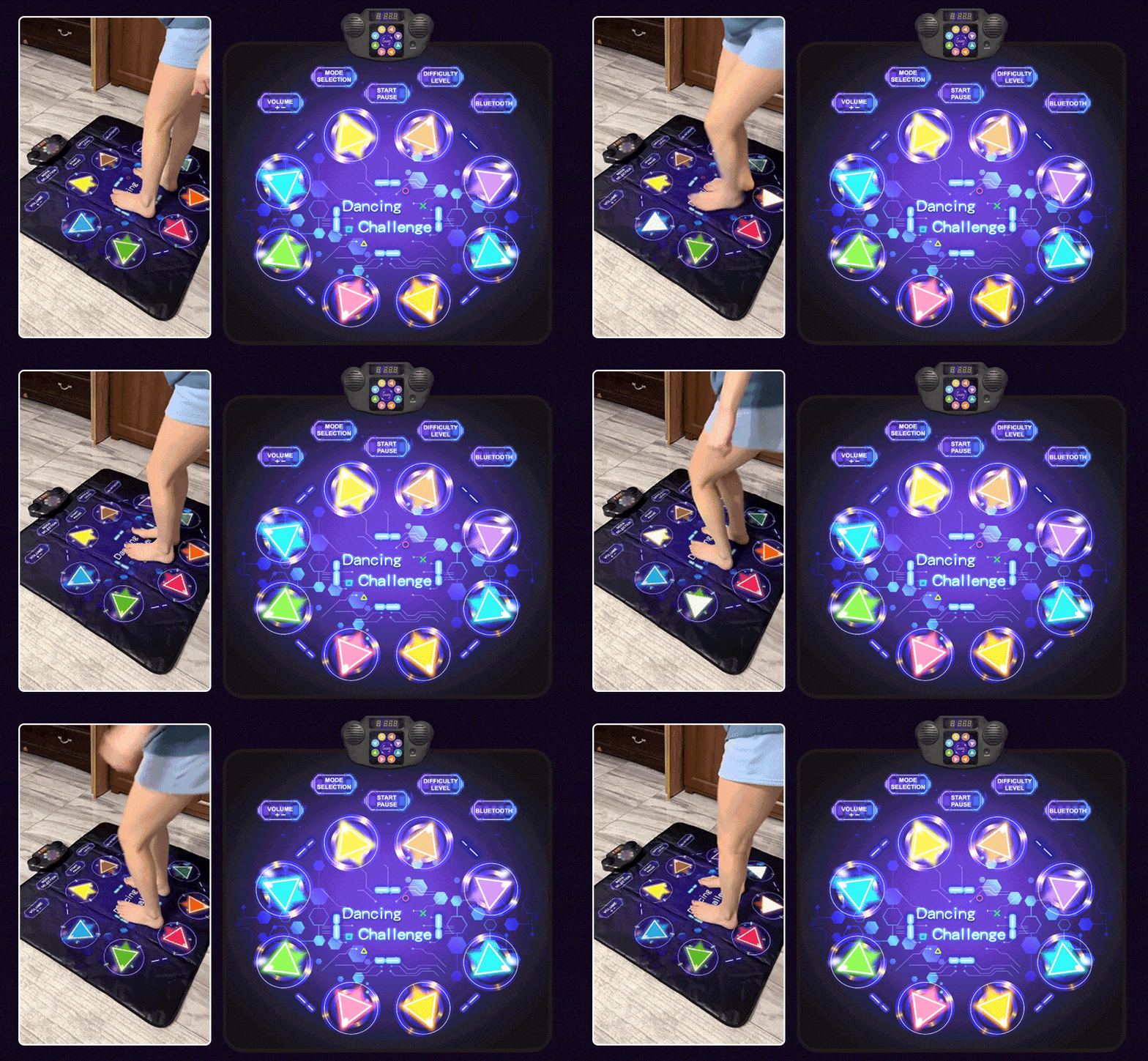
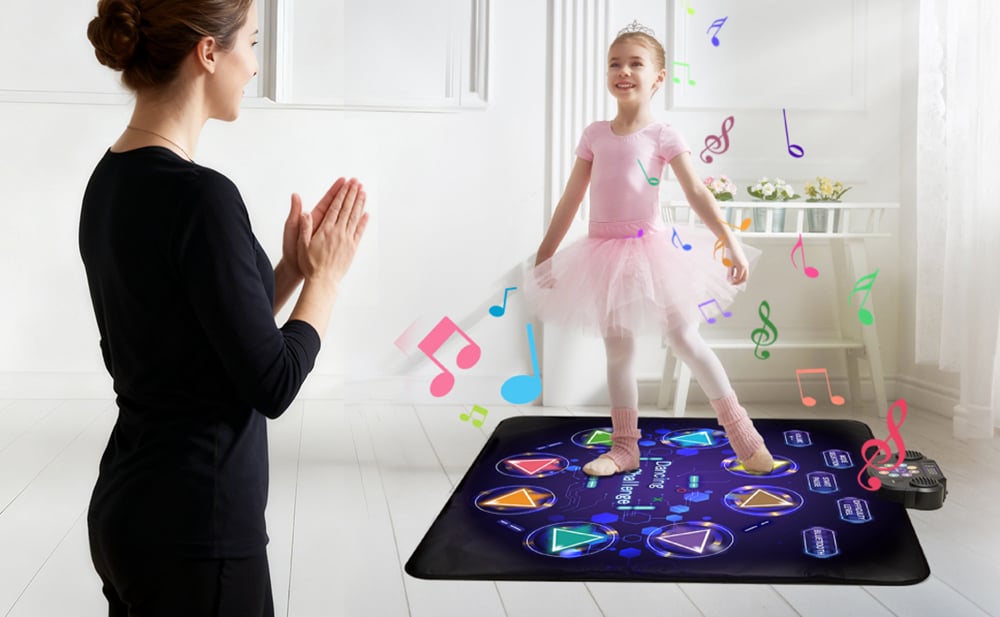
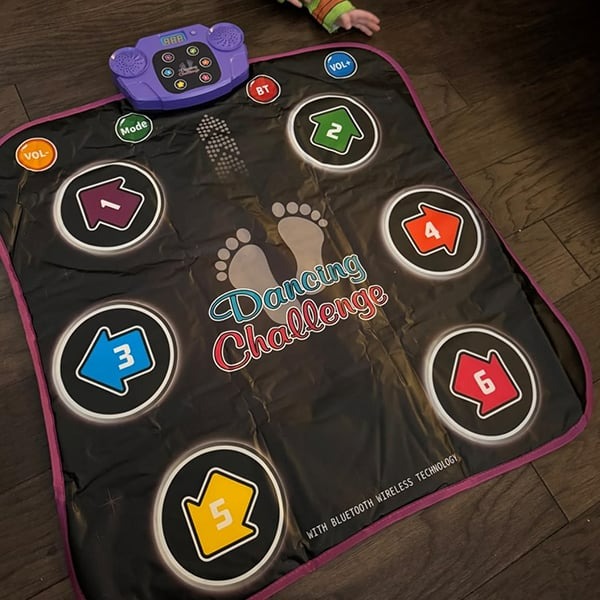
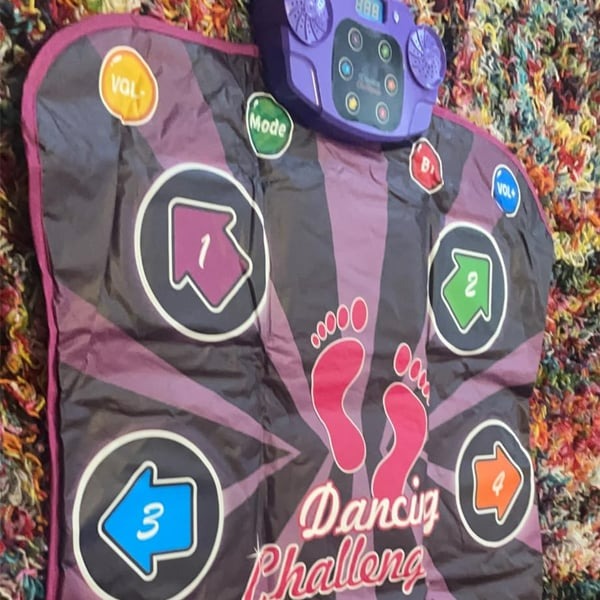
The mat has 8 responsive LED arrows that light up in sync with the music.

When Emma steps on the correct arrow, it flashes. When she nails a sequence, the whole mat glows.

It's basically a video game… except the controller is her entire body.

Dr. Reynolds explained this perfectly: "You're hijacking the dopamine loop. The instant gratification of screens, but requiring caloric burn."

3. Soft, Apartment-Friendly DesignI live in a second-floor apartment. My downstairs neighbor has already complained about Emma's occasional "elephant stampede."

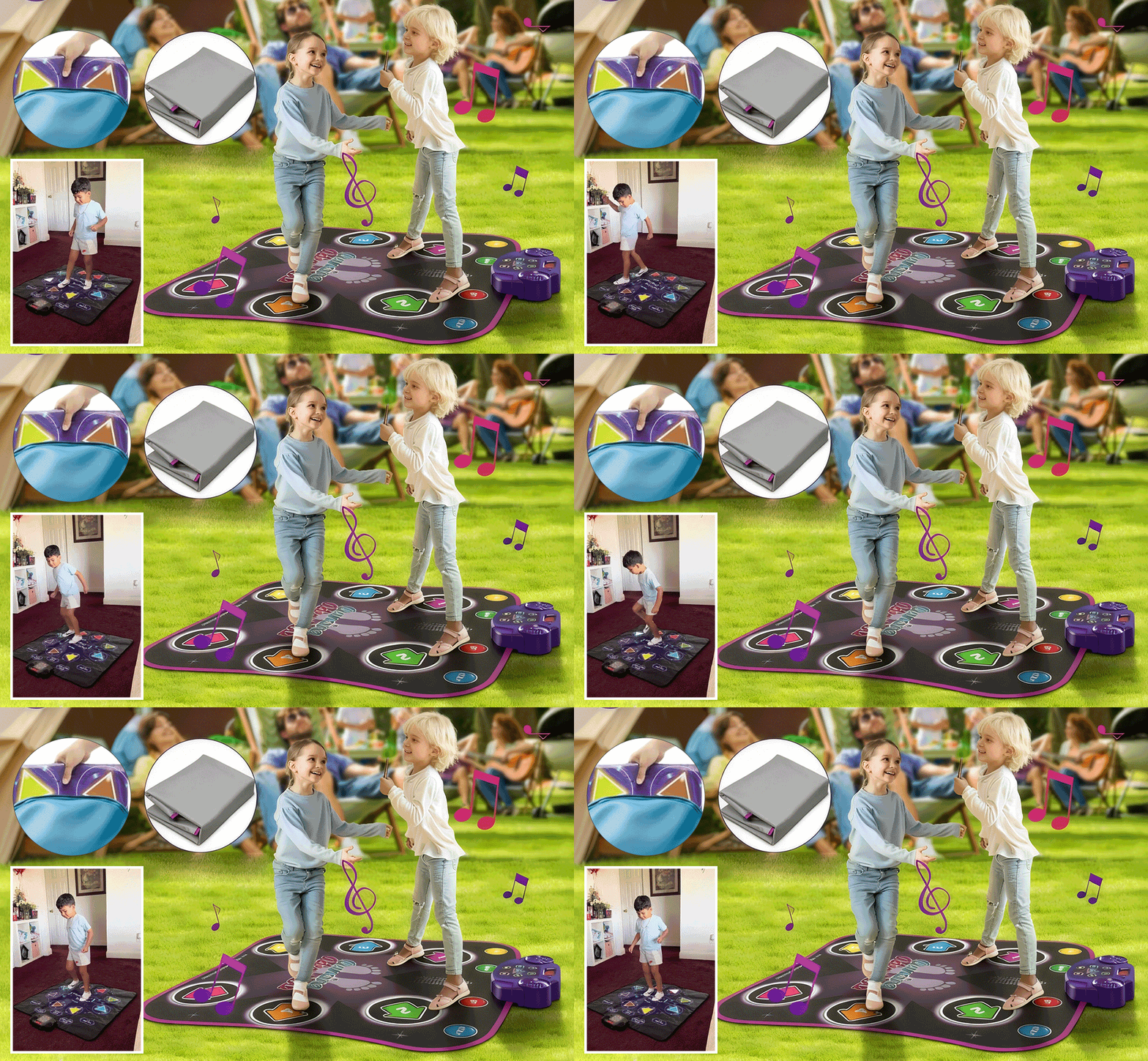
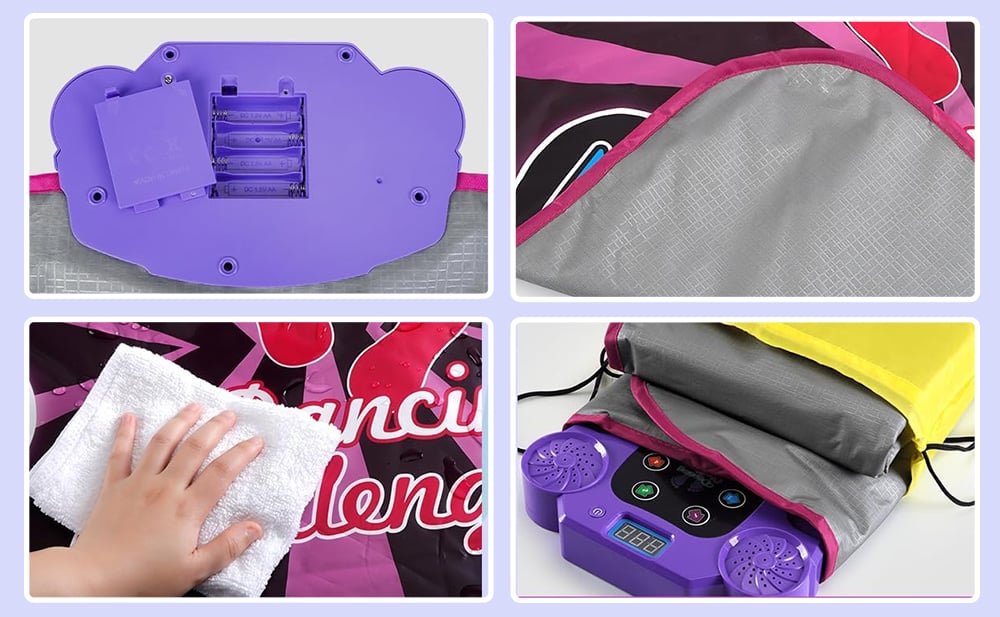
The Sakerplus® has a soft, cushioned PE surface with a non-slip backing.

It's quiet. It's safe (no hard plastic). And when playtime's over? It folds up like a yoga mat and slides under the couch.

No giant trampoline taking up my entire living room.

The First Week: I Wasn't Prepared for This

When the Sakerplus® arrived, I didn't tell Emma what it was. I just set it up while she was at school and connected it to my phone.

When she walked in, she froze. "Mom… is that a game?"

I hit play on "Shake It Off" by Taylor Swift. The arrows started lighting up. And Emma? She LUNGED for it.

For the next 45 minutes straight, she didn't stop moving.

She was stomping, jumping, laughing, sweating. I even heard her say—and I quote—"This is better than Roblox."

I almost cried.

What Happened Next Shocked Me

By Day 3, Emma started asking to play before I even suggested it.

By Day 7, she'd roped her little brother into "tournaments" (which meant I got an extra 30 minutes of peace while they battled it out).

By Week 2, her teacher called me. I panicked. What did she do now?

But Ms. Lopez said: "I don't know what you changed at home, but Emma's coordination in PE has improved dramatically. She's keeping up with the other kids now."

The Science Behind Why This Works (From a Real Expert)

I wanted to understand why this mat was working when everything else failed. So I reached out to Dr. Aaron Chen, a pediatric movement specialist who's worked with over 5,000 families.

Here's what he told me:

"The Sakerplus® Dance Mat uses what we call 'Proprioceptive-Auditory Association.' It links movement (motor cortex) with emotional reward (their favorite music). This creates a Flow State—the same addictive feeling kids get from video games, but it requires full-body engagement."

"The LED feedback is critical. It provides the instant gratification modern children are wired for, which is why traditional exercise fails. A child won't wait 30 days to 'feel healthier.' But they will stomp on a glowing arrow to hear Elsa sing."

He also noted something I hadn't considered: Kids who use dance mats for 20+ minutes daily show measurable improvements in:

· Rhythm recognition (math skills correlate)

· Bilateral coordination (left brain/right brain connection)

· Vestibular system development (balance and spatial awareness)

· Confidence (because they're getting good at something physical)

The Transformation I Never Saw Coming

It's been two months since we got the Sakerplus®. And honestly? My daughter is unrecognizable.

Not physically (though she's definitely leaner and more energetic). But emotionally.

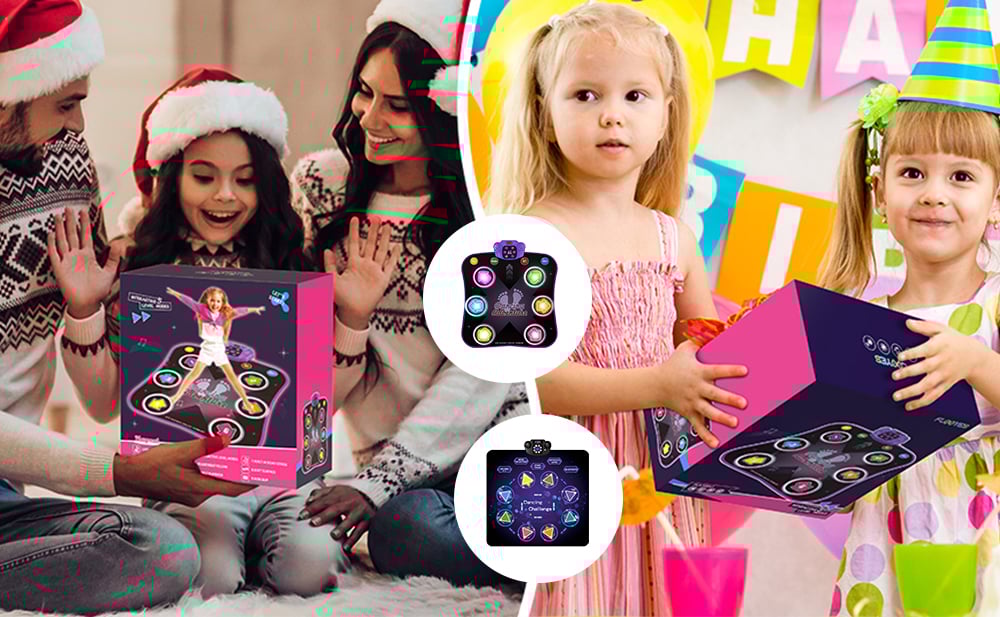
She used to dread birthday parties because she felt awkward during group games. Last weekend, she was the first kid on the dance floor at her cousin's party—leading the other kids in moves she'd learned on the mat.

She's started asking to go to the park again. Because now she can keep up. And here's the wildest part: Her screen time dropped by 60%… and I didn't have to nag.

The mat just became more appealing than her iPad.

"But Jessica, Is This Just Another Toy That'll Gather Dust?"

I get it. I've bought the trampolines, the balance boards, the "fun" exercise equipment.

And they all ended up on Facebook Marketplace within a month.

Here's why the Sakerplus® is different:

It Grows With Your Child

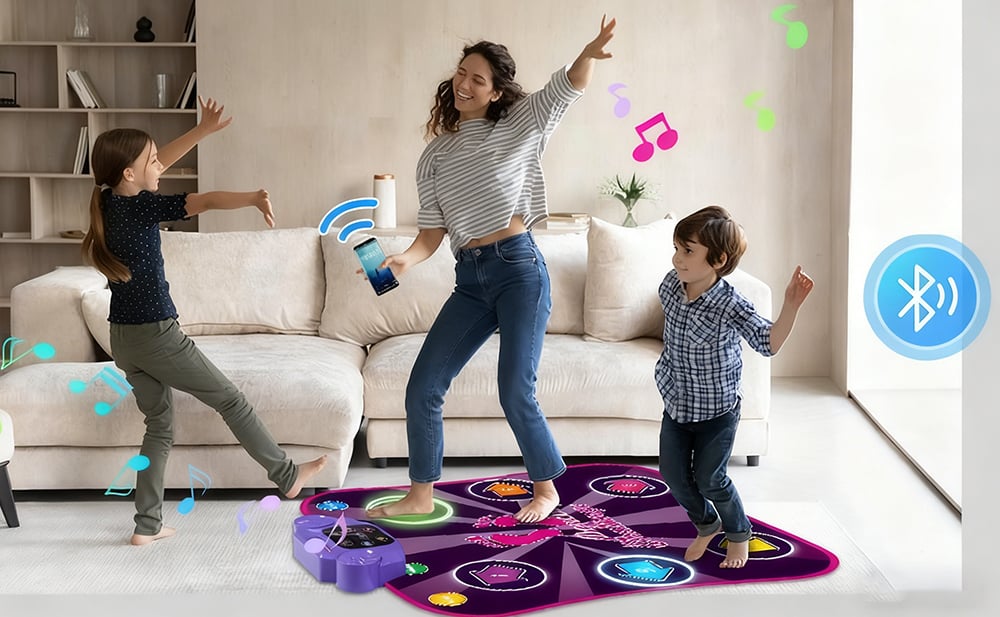
Because of the Bluetooth feature, Emma's not stuck with "Row, Row, Row Your Boat." When she gets older and discovers new music? The mat adapts. When her little brother wants to play his favorite songs? Two-second switch.

One device. Infinite content.

It's Built for Real Kids (Not Influencer Photoshoots). The mat has a 950g durable, waterproof surface. Which means when Emma spills her juice on it (because of course she does), I just wipe it down. The rechargeable battery lasts 8-10 hours. So I'm not constantly buying AAs like some kind of battery millionaire. And the 8 game modes + 3 difficulty levels mean my 4-year-old can play on "easy" while Emma cranks it up to "expert."

The "Social Magnet" Effect

Remember Sandra from the laundromat? She told me something I didn't believe until I saw it myself:

"Your house becomes the 'cool house.'"

She was right.

Last Friday, Emma had three friends over. I braced myself for chaos.

But they spent two straight hours taking turns on the mat, choreographing routines, screaming with laughter.

No fighting. No boredom. No "I'm telling Mom!"

Just pure, sweaty, joyful movement.

Is the Sakerplus® Right for Your Family?

Look, I'm not going to pretend this is for everyone.

If your child:

· Is already super active and coordinated → They might not need this.

· Hates music → Probably won't work (though I've yet to meet that kid).

· Is under 3 years old → The mat's designed for ages 3-12.

But if your child:

· ✅ Is glued to screens and refuses to move

· ✅ Struggles with coordination or feels "left out" in group activities

· ✅ Has ADHD, autism, or high energy that needs an outlet

· ✅ Gets bored easily (so traditional exercise doesn't stick)

· ✅ Loves music and games

Then this might be the single best investment you make this year.

 
Reviews
5.0

Based on 2 ratings

Mark D.

Verified Buyer

I love it !!
onepagecdn
The LED lights are amazing! My son follows the patterns and ends up dancing for nearly an hour every day. It keeps him active, laughing, and completely engaged. I love that it’s safe, soft, and actually gets him off the couch.

Alex Mac

Verified Buyer

Usefully
onepagecdn
Super soft, safe, and well-made. My daughter uses the dance mat not only for play but also for her daily exercise. It folds easily and doesn’t take up space, which is perfect for our small apartment. Definitely worth it.